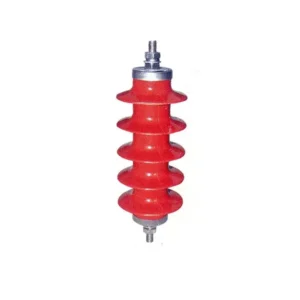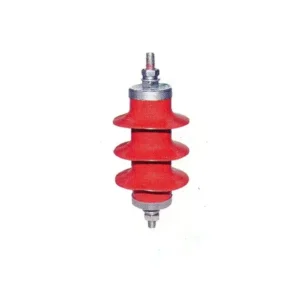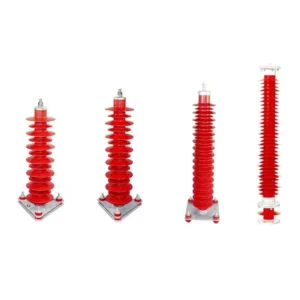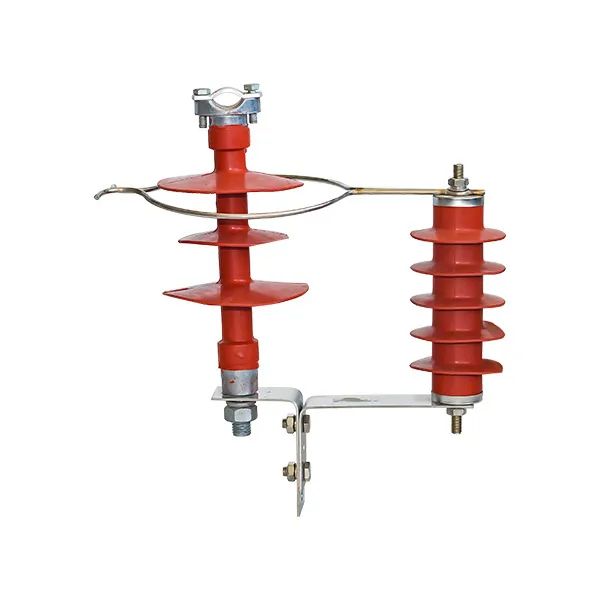
HY5WS-17/50C Line Surge Arrester for 17kV Systems
The HY5WS-17/50C Line Surge Arrester for 17kV Systems is designed to protect overhead distribution lines, transformers, and line terminals from lightning and switching overvoltages. Its gapless zinc oxide (ZnO) varistor core provides rapid surge response and effective voltage limiting, helping reduce transient stress on medium-voltage equipment.
The arrester features a polymer silicone rubber housing with good hydrophobicity, UV resistance, and environmental durability. Its lightweight construction makes it suitable for pole-mounted applications, while the sealed structure helps prevent moisture ingress and supports reliable long-term operation with minimal maintenance.
Get a QuoteOverview
The HY5WS-17/50C Polymer-Housed Line-Type Surge Arrester is designed for 17kV distribution systems, providing reliable protection against lightning and switching overvoltages. It is suitable for protecting distribution feeders, transformers, line terminals, and other medium-voltage equipment from transient voltage surges.
The arrester uses a gapless zinc oxide (ZnO) varistor core with good thermal stability and surge-handling capability. Its polymer silicone rubber housing provides reliable insulation and resistance to moisture, pollution, and outdoor environmental exposure, making it suitable for coastal, industrial, and other demanding operating conditions.
With a lightweight construction and stainless steel fittings, the HY5WS-17/50C is well suited to pole-mounted installations. Its sealed structure helps prevent moisture ingress and supports long-term operation with minimal routine maintenance.
Operating Conditions
1. Altitude: ≤ 3000 meters;
2. Ambient Temperature: -40°C to +55°C;
3. Pollution Class: Class IV.
Key Features
- Rated Voltage: 17kV, with a 50kA class rating
- Gapless ZnO Varistor: Provides rapid response to lightning and switching overvoltages and helps limit transient voltage.
- Wide Application Range: Suitable for overhead distribution lines, distribution transformers, and other medium-voltage equipment.
- Weather-Resistant Polymer Housing: The UV-resistant silicone rubber housing features a hydrophobic surface to maintain reliable insulation in outdoor and polluted environments.
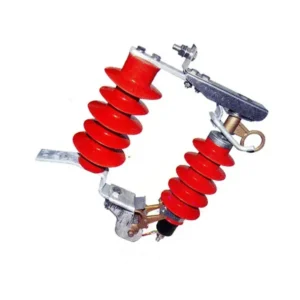
- Optional Disconnector: A compatible disconnector can be fitted to provide visible fault indication and help isolate a failed arrester.
- Applicable Standard: Designed in accordance with IEC 60099-4 requirements.
Technical Data
| Item | Unit | Parameter | |
| Rated Voltage | kV | 17 | |
| Continuous Operating Voltage (Uc) | 13.6 | ||
| Rated Discharge Current(8/20 μs) | kA | 10 | |
| High Current Impulse | 100 | ||
| Residual Voltage at 10kA | kV | ≤ 45 | |
| Creepage Distance | mm | ≥ 510 | |
| Mounting | / | Line-hanging / cross-arm | |