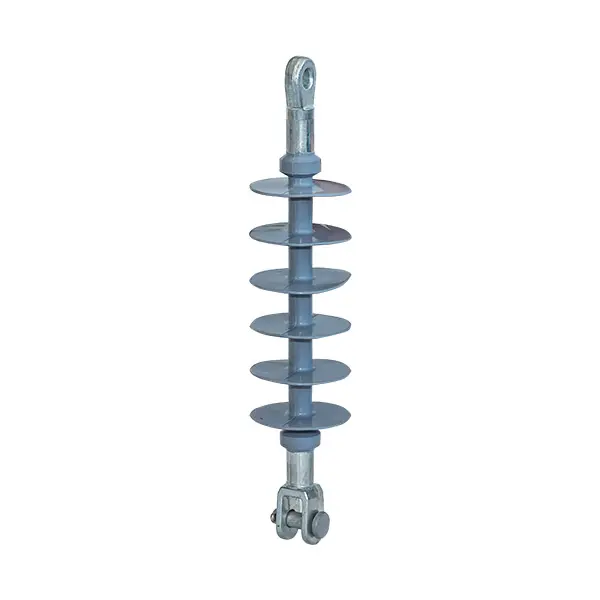
FXBW4 Series Composite Post Insulators High-Strength & Corrosion-Resistant
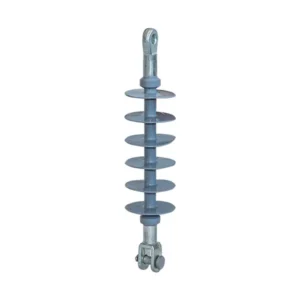
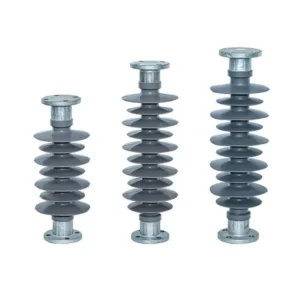
FXBW4 Series Composite Post Insulators High-Strength & Corrosion-Resistant are designed to provide reliable electrical insulation and mechanical support for 12kV–38kV power systems. Featuring a high-strength epoxy fiberglass core rod and silicone rubber housing, these insulators deliver excellent tensile performance, hydrophobicity, corrosion resistance, and long-term outdoor durability.
The FXBW4 series is suitable for overhead transmission lines, substations, and medium-voltage distribution networks, especially in coastal, industrial, and polluted environments. Its lightweight composite structure provides stable insulation performance while reducing maintenance requirements compared with traditional porcelain solutions.
Get a QuoteOverview
The FXBW4 Series Composite Post Insulator is a high-performance insulation component designed for high-voltage power transmission and distribution systems. It provides dual functions of electrical insulation and conductor support, ensuring reliable operation of overhead power networks under demanding environmental conditions.
Featuring a high-strength composite structure, the FXBW4 series offers excellent mechanical stability, superior insulation performance, and strong resistance to pollution, moisture, and weather aging. It is widely used in transmission lines, substations, and power distribution infrastructure, helping improve grid safety, reliability, and long-term operational efficiency.
Structure & Performance Advantages
The FXBW4 Series Composite Post Insulator adopts an advanced composite structure combining a high-strength epoxy resin fiberglass core rod with a high-performance silicone rubber shed. The fiberglass core provides excellent tensile strength and mechanical stability, while the silicone rubber housing delivers superior hydrophobicity, corrosion resistance, and long-term environmental protection.
Key Performance Advantages
- Superior Mechanical Strength
With a rated mechanical load of up to 120kN, the FXBW4 series provides reliable support under heavy loads, strong winds, and harsh outdoor conditions, ensuring stable operation of high-voltage transmission systems. - Excellent Electrical Insulation Performance
High-quality composite insulating materials provide dependable electrical isolation, helping reduce leakage current and maintain safe, stable power system operation. - Strong Pollution Flashover Resistance
The hydrophobic silicone rubber surface and optimized creepage distance improve resistance to contamination, moisture, and salt spray, allowing reliable performance in coastal, industrial, and heavily polluted environments while reducing maintenance requirements. - Durable Environmental Protection
The composite structure offers excellent resistance to UV radiation, corrosion, temperature changes, and outdoor aging, supporting long service life in demanding applications.
Technical Data
| Item | FXBW4-12 | FXBW4-24 | FXBW4-35 |
| Rated Voltage(kV) | 12-15 | 24-27 | 33-38 |
| Rated Mechanical Load (KN) | 70/100/120 | ||
| Section Length (mm) | 345/355 | 435/445 | 615/625 |
| Min Arcing Distance L1 (mm) | 155 | 245 | 425 |
| Creepage Distance (mm) | 465 | 755 | 1300 |
| Lightning Impulse Withstand Voltage (KV) | 95 | 185 | 230 |
| Power-Frequency Withstand Voltage (Wet) (KV) | 45 | 95 | 105 |
Overall and mounting dimensions(mm)
Typical Applications
Our High-Voltage Station Post Insulators are widely used in:
- GIS & AIS substations (66–220kV)
- Support structures for circuit breakers and disconnect switches
- Busbar support systems in substations and power plants
- Railway electrification and traction power systems
Engineering Application Reference
Station post insulators are commonly used in substation upgrade and modernization projects where existing porcelain insulators need to be replaced or where improved environmental performance is required.
In coastal, dusty, or heavily polluted environments, composite polymer station post insulators can offer advantages such as excellent hydrophobicity, strong pollution resistance, lightweight construction, and reduced maintenance requirements. Compared with traditional porcelain designs, composite solutions can also simplify transportation and installation while providing reliable mechanical and electrical performance.