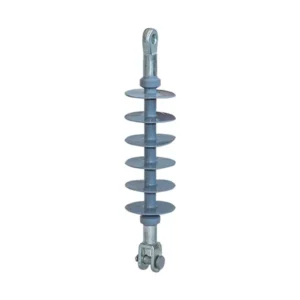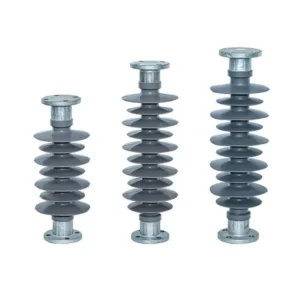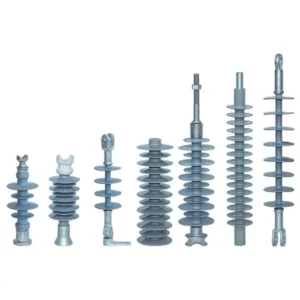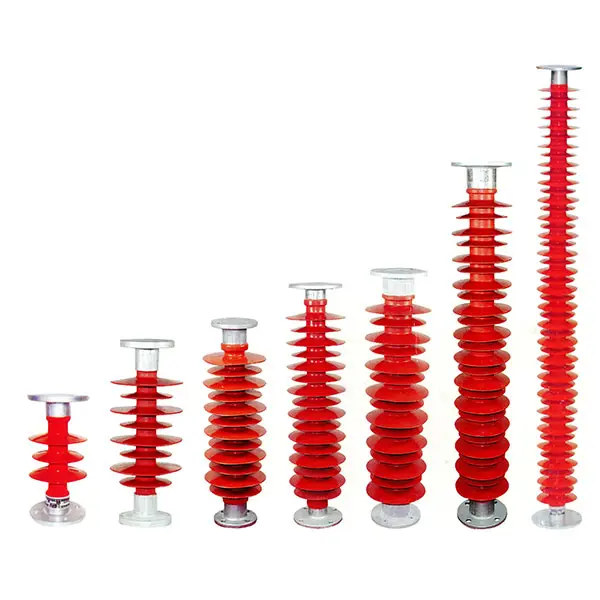
Composite Cross-arm Insulator
Composite Cross-arm Insulator is a lightweight and high-strength insulation solution designed for 10kV–35kV overhead transmission and distribution lines. It combines a fiberglass-reinforced epoxy resin core with a silicone rubber housing, providing reliable electrical insulation, strong mechanical support, and excellent resistance to weathering and pollution.
Compared with traditional porcelain insulators, the composite cross-arm insulator offers better hydrophobic performance, improved vibration resistance, and reduced risk of breakage. Its integrated cross-arm structure simplifies installation and makes it suitable for pole-mounted transformers, switchgear structures, rural and urban distribution networks, and renewable energy power systems.
Get a QuoteOverview
The Composite Cross Arm Insulator is designed for overhead transmission and distribution lines operating from 10kV to 35kV, providing reliable electrical insulation and mechanical support for pole-mounted power systems. Its lightweight composite construction offers a practical alternative to traditional porcelain insulators, particularly where reduced installation weight and strong environmental resistance are required.
The insulator combines a glass fiber-reinforced epoxy resin core with UV-resistant silicone rubber housing, providing high mechanical strength, excellent hydrophobicity, and good pollution resistance. Its integrated cross-arm mounting structure allows convenient installation on steel and concrete poles while providing stable support for overhead conductors in demanding outdoor environments.
Key Features
- Wide Voltage Application (10kV–35kV)
Designed for medium-voltage overhead distribution systems, providing reliable insulation and mechanical support for various pole-mounted applications. - Advanced Composite Structure
Features a composite body with silicone rubber housing and galvanized end fittings, combining lightweight construction with strong mechanical performance and corrosion resistance. - Excellent Pollution Resistance
The hydrophobic silicone rubber surface helps maintain stable insulation performance in humid, coastal, industrial, and heavily polluted environments. - High Mechanical Strength
Provides strong tensile and bending load capacity to withstand conductor tension, wind forces, vibration, and long-term mechanical stress. - Superior Weather Resistance
Resistant to UV radiation, ozone, acid rain, moisture, and temperature variations, ensuring reliable outdoor operation. - Maintenance-Free Operation
The composite material reduces contamination accumulation and eliminates the need for regular surface cleaning during normal service conditions. - Standards Compliance
Manufactured and tested according to applicable requirements, including IEC 61109 and ANSI C29.13, ensuring consistent quality and performance.
Applications
- Overhead Distribution Networks
Suitable for rural and urban power grids, providing insulation and conductor support for medium-voltage overhead lines. - Pole-Mounted Transformers and Switchgear Structures
Used as a cross-arm support solution for transformer installations, switching equipment, and compact pole-top systems. - Renewable Energy Power Systems
Suitable for wind and solar power transmission projects in high-altitude, coastal, or environmentally challenging areas. - Substation and Compact Distribution Equipment
Applied in substation isolation points and space-limited pole-mounted electrical installations.
Compared with traditional ceramic insulators, the Composite Cross Arm Insulator offers advantages including lighter weight, better vibration resistance, improved pollution performance, and reduced risk of breakage, making it a reliable solution for modern medium-voltage overhead power systems.
Technical Data
| Model | Rated Voltage(kV) | Rated Bending Load(kN) | Structure Height(mm) | Minimum Arc Distance(mm) | Minimum Nominal Creepage Distance(mm) | Lightning Impulse Withstand(kV) | Power Frequency Withstand(1min/kV) | Mounting Dimensions | Mounting Structure Height | Installation Method | ||
| Mounting Hole | Stabilling Hole | Center Distance | ||||||||||
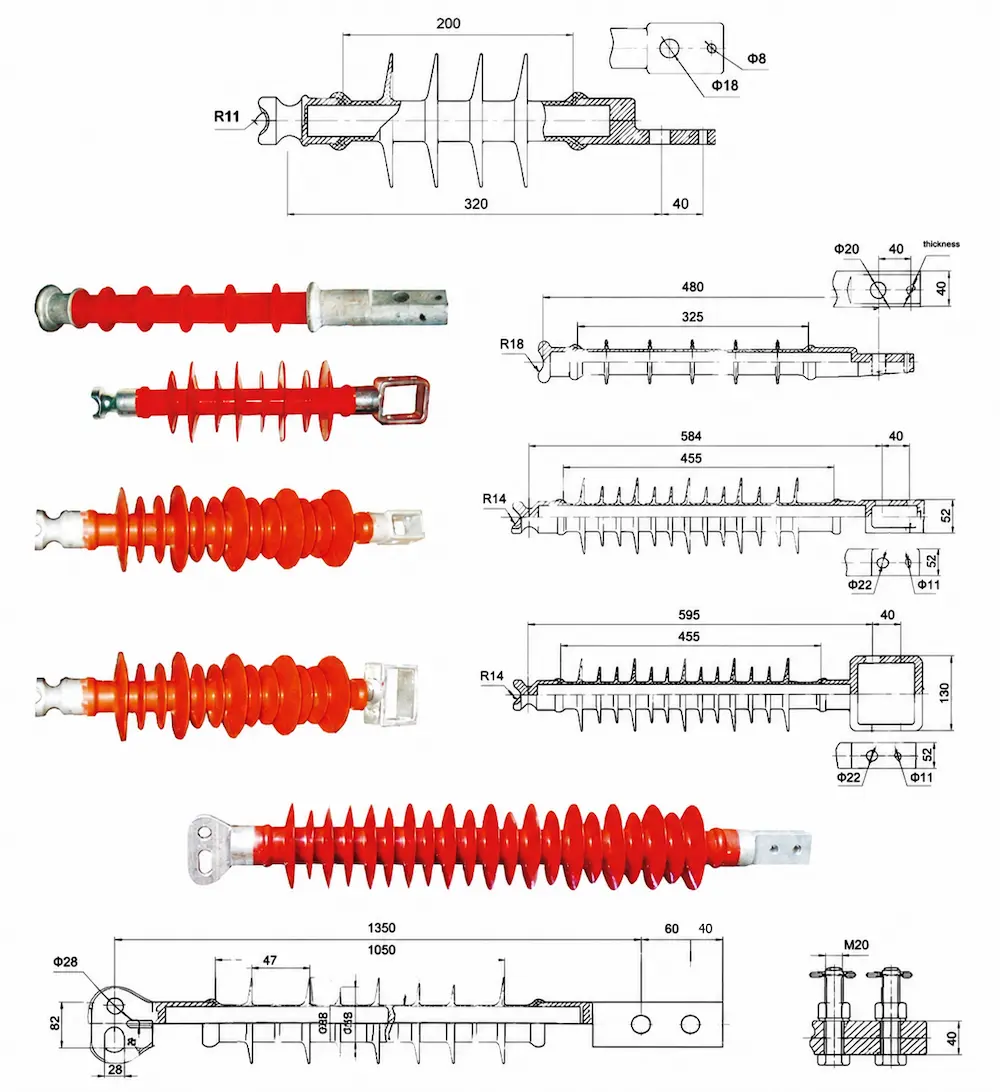
| FS-10/2.5 | 10 | 2.5 | 350 | 200 | 530 | 90 | 60 | Φ18 | Φ8 | 40 | 11 | Plate Shape |
| FS-10/5 | 5 | 480 | 320 | 440 | 150 | Φ20 | 30 | |||||
| FS-10/5 | 45 | Frame | ||||||||||
| FS-12/5 | 12 | 425 | 285 | 470 | Φ18 | Φ10 | 48 | |||||
| FS-20/5 | 20 | 475 | 328 | 860 | 170 | 70 | Φ22 | Φ11 | 70 | |||
| FS-20/8 | 8 | |||||||||||
| FS-35/5 | 35 | 5 | 584 | 455 | 1280 | 230 | 95 | 53 | Small Box | |||
| FS-35/5 | 595 | 130 | Large Frame | |||||||||
| FS-35/10 | 10 | 605 | 440 | 1380 | 68 | Small Box | ||||||
| FS-66/5 | 66 | 5 | 830 | 664 | 2110 | 410 | 185 | Frame | ||||
| FS-66/5 | 845 | 30 | Plate Shape | |||||||||
| FS-66/5 | 815 | 140 | Large Frame | |||||||||
| FS-110/8 | 110 | 8 | 1220 | 1050 | 3150 | 550 | 230 | 52 | 90 | Frame | ||
| FS-110/8 | 1270 | Φ25 | Φ25 | 40 | Plate Shape | |||||||
| FS-110/10 | 10 | Φ22 | Φ22 | 100 | Frame | |||||||
| XF(FS)-110/6 | 6 | 1160 | 1000 | 3200 | Φ25 | Φ25 | 40 | 68 | ||||
| XF(FS)-110/8 | 8 | 1270 | 1050 | 3150 | Φ22 | Φ11 | 52 | 40 | Plate Shape | |||
| FS-220/6 | 220 | 6 | 2250 | 2000 | 6400 | 1050 | 395 | Φ22 | ||||
| FS-220/8 | 8 | 2150 | 195 | / | ||||||||
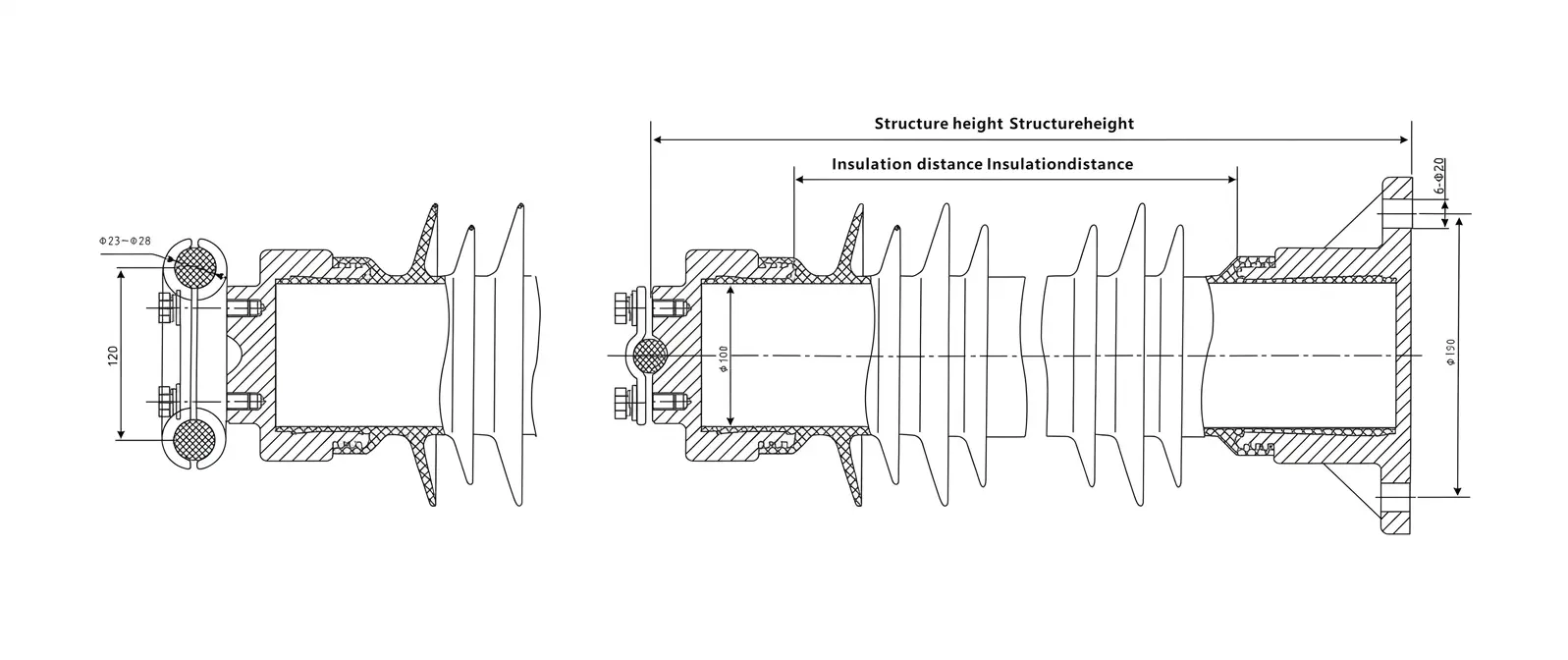
Overall and mounting dimensions(mm)