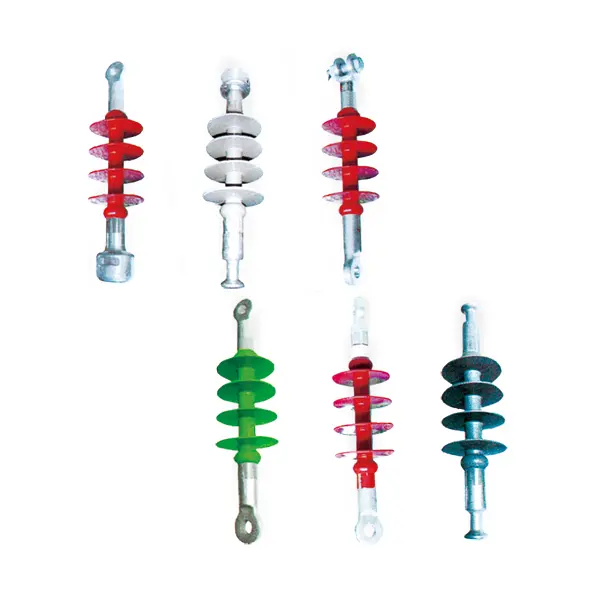
Composite Suspension Insulator for 66–220kV HV Lines
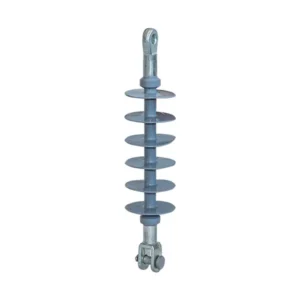
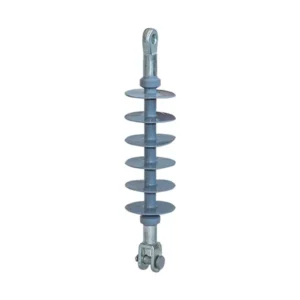
Composite Suspension Insulator for 66–220kV HV Lines is designed to provide reliable electrical insulation and mechanical support for high-voltage overhead transmission systems. It combines a high-strength fiberglass core rod with an HTV silicone rubber housing, offering a lightweight structure, strong mechanical performance, and excellent resistance to moisture, UV exposure, pollution, and environmental aging.
Suitable for 66kV–220kV HVAC and HVDC transmission lines, the composite suspension insulator performs reliably in coastal, industrial, mountainous, and heavily polluted environments. Its hydrophobic silicone rubber surface helps reduce contamination-related flashover risks while supporting stable, long-term operation of high-voltage power networks.
Get a QuoteOverview
The insulator features a high-strength epoxy resin core rod combined with high-temperature vulcanized (HTV) silicone rubber, providing reliable mechanical support and stable electrical insulation for high-voltage transmission applications.
Its composite construction offers good resistance to mechanical stress, moisture, UV exposure, pollution, and environmental aging, making it suitable for demanding outdoor conditions. It can be used in HVAC and HVDC transmission systems from 66kV to 220kV, including coastal, industrial, and heavily polluted areas where reliable insulation performance is required.
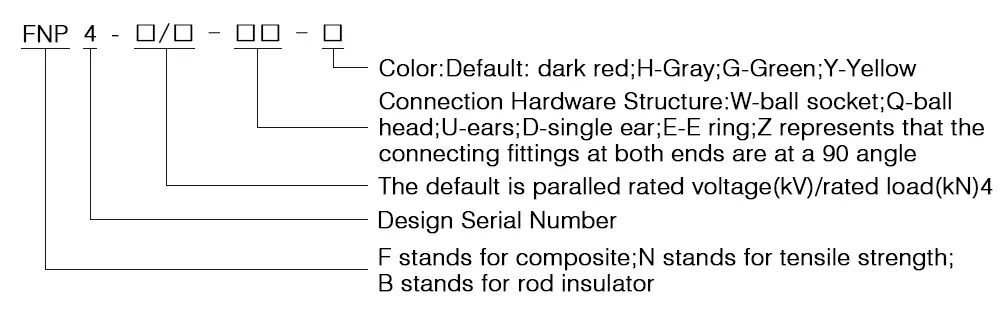
Model and Meaning
Technical Data
| Item | Unit | Parameter | |
| Rated Voltage | kV | 66 / 110 / 220 | |
| Mechanical Failing Load (SML) | kN | 70 / 100 / 160 | |
| Creepage Distance | mm/kV | ≥ 25 | |
| Housing Material | / | HTV Silicone Rubber | |
| Core Material | Fiberglass Epoxy Rod | ||
| End Fitting Type | Ball & Socket / Clevis | ||
| Standard Compliance | IEC 61109 / ANSI C29.13 | ||
Main Technical Parameters
| Model | Rated Voltage(kV) | Rated Mechanical Pull ExtensionLoad(kN) | Structure Height(mm)±10 | Minimum Arc Distance(mm) | Minimum Nominal Climb Electrical Distance(mm) | Lighting Full-Wave Impluse Withstand Voltage(effective value) (kV) | Power Frequency Withstand Voltage(effective value)(kV/min) |
| FNB4-1/70-XX | 1-3 | 70 | 260±10 | 80 | 225 | 45 | 18 |
| FNB4-6/70-XX | 6 | 300±10 | 120 | 325 | 60 | 25 | |
| FNB4-10/40-XX | 10 | 40 | 320±10 | 160 | 425 | 95 | 45 |
| FNB4-10/70-XX | 70 | 340±10 | |||||
| FNB4-10/100-XX | 100 | 370±10 | |||||
| FNB4-15/70-XX | 70 | 380±15 | 200 | 525 | 115 | 60 | |
| FNB4-20/70-XX | 20 | 70 | 420±15 | 240 | 625 | 150 | 65 |
| FNB4-20/100-XX | 100 | 450±15 | |||||
| FNB4-24/70-XX | 70 | 460±15 | 280 | 725 | 170 | 75 | |
| FNB4-24/100-XX | 100 | 490±15 | |||||
| FNB4-28/70-XX | 28 | 70 | 500±15 | 320 | 825 | 190 | 85 |
| FNB4-33/70-XX | 33 | 540±15 | 360 | 925 | 205 | 90 | |
| FNB4-35/70-XX | 35 | 610±15 | 420 | 1050 | 230 | 95 | |
| FNB4-35/100-XX | 100 | 640±15 |
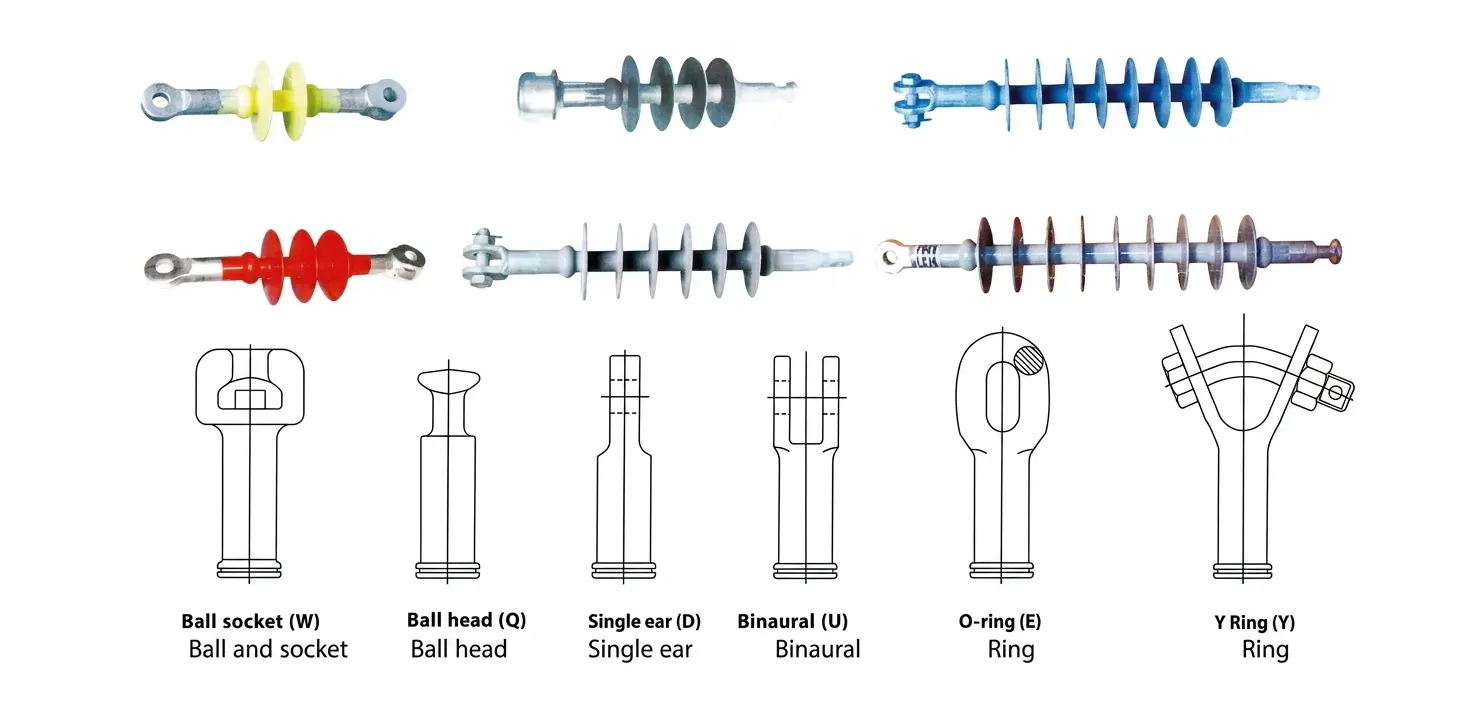
Two-end Connection Fit Category Table
| AdditionalLetter-XX | Representative Hardware | Connection Mark |
| WQ | Ball Socket-ball Head | 16 – 16 |
| WD | Ball Socket-ball Monaural | 16 – 7 |
| WU | Ball Socket-ball Binaural | 16 – 7 |
| Ball Socket-ball Head | 16 – 16 | |
| DU | Monaural-Binaural | 7 – 7 |
| DD | Monaural-Monaural | |
| UU | Binaural-Binaural | |
| UE | Binaural-Ring Type | |
| EE | Ring-Ring |
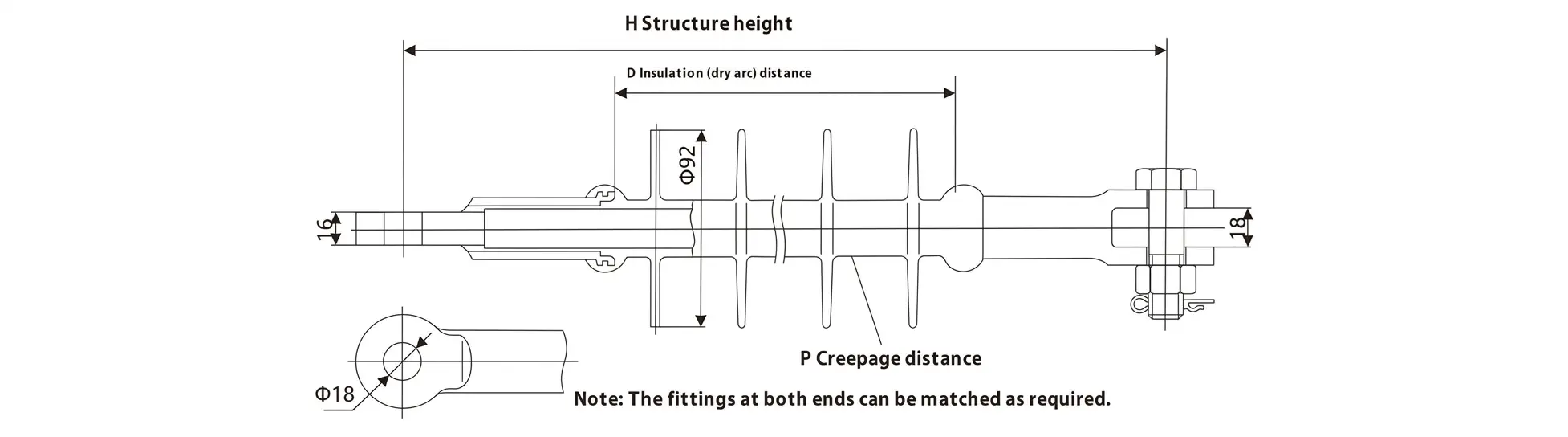
Overall and mounting dimensions(mm)
Application Scenarios
The composite insulator is suitable for a wide range of high-voltage transmission and outdoor power infrastructure applications, including:
- 66–220kV High-Voltage Transmission Lines
Provides reliable electrical insulation and mechanical support for overhead HVAC and HVDC transmission systems. - Coastal & Heavily Polluted Areas
The silicone rubber housing offers good hydrophobicity and pollution resistance, making it suitable for environments exposed to salt fog, dust, and industrial contamination. - Mountainous & Long-Span Transmission Projects
Its lightweight composite structure and strong mechanical performance make it suitable for demanding terrain and long-span overhead line applications. - Substation Busbar Insulation
Can be used to provide insulation and mechanical support for busbar systems and associated high-voltage equipment. - Renewable Energy Transmission Corridors
Suitable for power transmission infrastructure connecting wind farms, solar power plants, and other renewable energy facilities to the grid.